Back to Top
Apply Giving myAugusta
Resources for:
Students
Students Faculty & Staff Parents & Family Alumni Community
Augusta University Logo
  • Academics
    A group of men and one woman stand in front of a screen and hold awards
    18 Computer and Cyber Sciences students receive Rattner Scholarships »

    Academics Home

    Colleges & Schools

    Programs of Study
    • Degrees & Programs
    • Course Catalog
    • Course Schedule
    • Program Pathways
    • Academic Calendar
    • Online Programs
    • Accelerated Degree Programs
    Resources
    • Academic Success Center
    • Advising
    • Counseling Services
    • Honors Program
    • Libraries
    • Testing & Disability Services
    • Writing Center
    Outside the Classroom
    • Army ROTC
    • Study Abroad
    • Experiential Learning
    • First Year Experience
    • Center for Undergraduate Research
    • Career Services
    • Jags Live Well
  • Admissions
    Georgia Gov. Brian P. Kemp sitting next to First Lady Marty Kemp signing the state’s amended FY2026 budget.
    DREAMS Scholarship becomes a reality in Georgia »

    Admissions Home

    Visit Campus

    Request Information

    Apply to AU
    • First-Year Freshmen
    • Transfer Students
    • Dual Enrollment
    • Graduate Students
    • Medical College of Georgia
    • Dental College of Georgia
    Opportunities
    • Degree & Programs
    • Honors Program
    • Program Pathways
    • Military-Affiliated Students
    • New Student & Family Transitions
    • On-Campus Housing
    Financial Aid
    • Student Financial Aid
    • Net Price Calculator
    • Scholarships
    • Cost of Attendance
    • Apply for Federal Aid
  • Campus Life
    The Dr. Gretchen B. Caughman Student Welcome Center highlighted the new Office of Undergraduate Admissions hub while honoring Provost Emerita Gretchen B. Caughman’s legacy, bringing together campus leadership and student ambassadors in a space designed to welcome future Jaguars.
    AU unveils Dr. Gretchen B. Caughman Student Welcome Center »

    Campus Life Home

    Athletics

    Community
    • Army ROTC
    • Living-Learning Communities
    • Military & Veteran Services
    • Mentorship
    • New Student & Family Transistions
    • Jags 4 Jags Mentoring Program
    Campus Services
    • Dining Services
    • Roarstore
    • Housing
    • Student Health
    • Parking & Transportation
    • Jagcard
    Get Involved
    • Clubs & Organizations
    • Greek Life
    • Campus Recreation
    • Student Government
    • Jaguar Production Crew
    • Intramural Sports
  • Research
    The Anthony Grinnell Foundation makes a donation to the Wellstar MCG Health Adrenal Center during a ceremony at the Georgia Cancer Center on the Augusta University Health Sciences campus
    Family creates memorial fund to support research into rare cancer »

    Research Home

    Opportunities
    • Undergraduate Research
    • Graduate & Postdoctoral Research
    • Clinical Trials
    • Core Laboratories
    • Innovation Commercialization
    Initiatives
    • Cancer
    • Cardiovascular
    • Immunology
    • Neuroscience
    • Aging
    Resources
    • Centers & Institutes
    • Ethics & Compliance
    • Institutional Review Board
    • Sponsored Programs
    • Tools for Researchers
  • About AU
    Vice President of Government Relations Margie Miller, Government Relations intern Noah Ceyssens, Director of State Government Relations Ashton Blackwood Paine, Augustus, Assistant Director of State Government Relations Luke Ray and Director of Federal Relations Monty Philpot Brock.
    Augusta University enjoys a successful 2026 legislative session »

    About AU

    Jagwire News

    Leadership
    • President
    • Provost
    • Administration
    • Enrollment Student Affairs
    • Faculty Senate
    We are AU!
    • Our Mission
    • Working at AU
    • Traditions
    • History
    • Augusta, GA
    Resources
    • MyAugusta
    • Calendar of Events
    • Brand Guidelines
    • Portals
    • Faculty Directory
Resources For
  • Current Students
  • Faculty & Staff
  • Parents & Family
  • Alumni & Friends
Apply
Giving
MyAugusta
Trending Search Terms
  • D2L LMS
  • Email
  • Pounce
  • Calendar
  • Registrar
  • Housing
  • Academic Calendar
  • Financial Aid
  • Parking
  • Library
  • Human Resources
  • Information Technology
Our Faculty
  • About
    • Leadership 
    • Our Faculty
    • Facilities
    • Join Our Team
    • Ring The Bell of Hope
    • Newsroom
  • Research
    • Overview
      • Cancer Immunology, Inflammation, and Tolerance
      • Cancer Prevention, Control and Population Health
      • Molecular Oncology and Biomarkers
      • Grant Support Services
      • PRMC
    • Core Resources
      • Overview
      • Bioinformatics
      • Biostatistics
      • Biorepository
      • Flow & Mass Cytometry
      • Immune Monitoring
      • Integrated Genomics
      • Proteomics
      • Small Animal Imaging
  • Education
    • Overview
    • Fellowship Programs
    • Summer Research Experience
    • Student Profiles
    • Student Successes
    • Emerging Biomedical Professionals
  • Clinical Trials
    • Overview
    • Trials by Tumor Type
    • Pediatric Immunotherapy Program
      • Overview
      • "Never Say No" Campaign
    • Georgia CaRES
  • Community
    • Overview
    • Programs
      • c-CARE
      • Cancer Information and Awareness
      • Sun Safe Augusta
      • Sun Smart, Skin Safe
      • Teledermatology in Rural Georgia
      • Tobacco Cessation Program
      • Women’s Health on the Road
    • Signature Events
      • Paceline
      • Unite in the Fight Against Cancer
    • Community Events
      • Great American Smokeout
      • White Ribbon Fall Fest
      • World Cancer Day
  • For Patients
  • Augusta University
  • Georgia Cancer Center
  • Research
  • Our Faculty
  • The Wang Laboratory

The Wang Laboratory

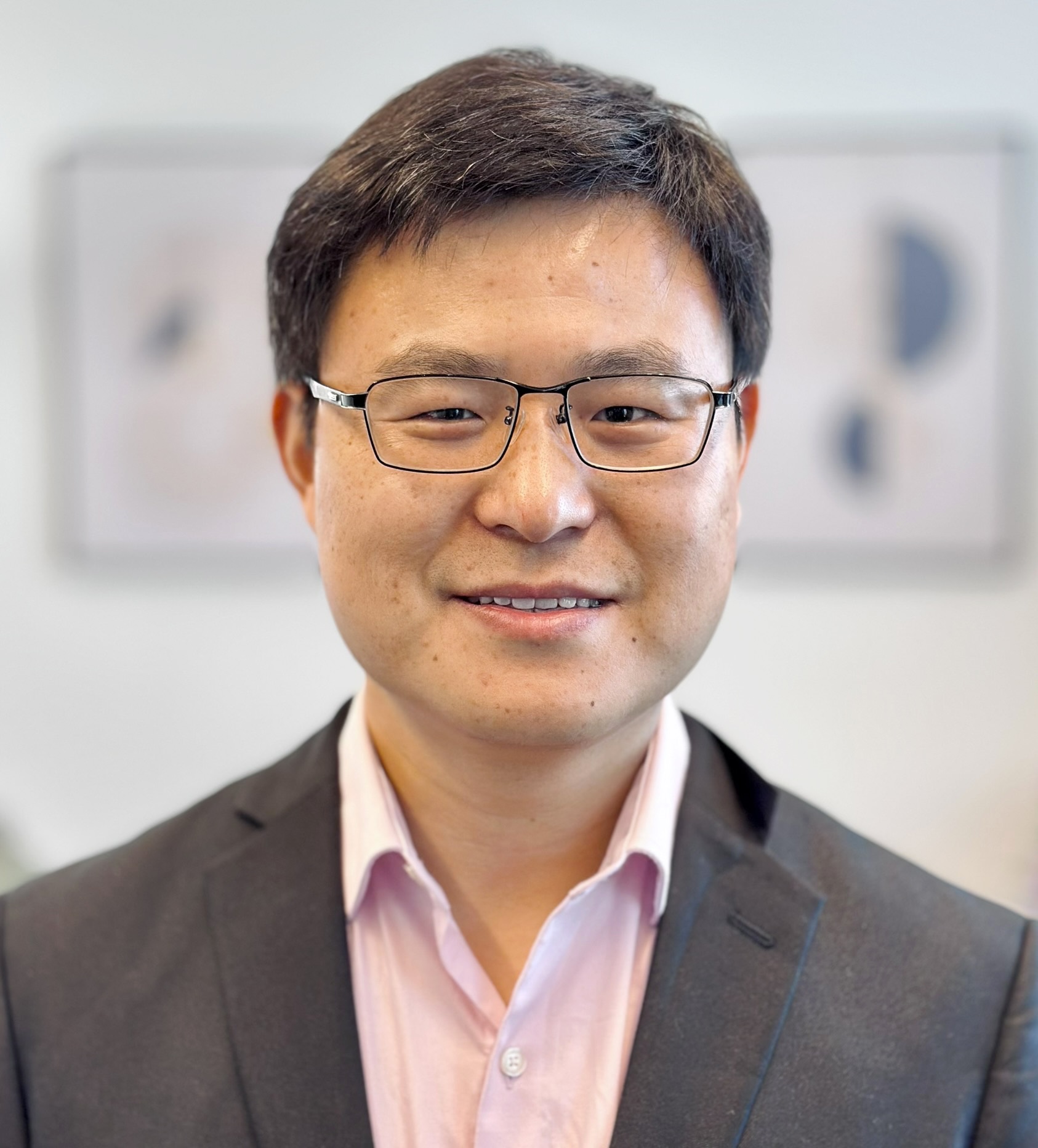
picture of Meng Wang , PhD

Meng Wang, PhD

Assistant Professor
Cell Biology & Anatomy, MCG
Georgia Cancer Center


Jump to: Research SummaryImpact on Georgia patientsResearch FocusResearch InterestsPublicationsTeam

Contact Us

The Meng Wang Lab

 Health Sciences Campus

GCC - M. Bert Storey Research Building

1410 Laney-Walker Blvd., CN-2153

(706) 721-1755

menwang@augusta.edu

Faculty Profile

Research Summary

Meng Wang, PhD obtained his Ph.D. in Genetics from the Shanghai Institutes for Biological Sciences, Chinese Academy of Sciences, and subsequently completed postdoctoral training at the Harvard T.H. Chan School of Public Health and the University of California, San Francisco. His primary research focus is on uncovering the molecular basis of cancer development. Wang’s work has identified genes that are probable novel drivers of acral and mucosal melanomas and demonstrated that the evolutionary trajectory of acral melanoma differs markedly from that of melanomas arising in sun-exposed skin. In addition, he has experience in studying the role of ribosomal RNA gene (rDNA) arrays in aging and tumorigenesis, as well as broader topics in genomics, including alternative mRNA splicing. 

Map of Georgia, USA, that shows counties and routes. A red push pin is pushed into Augusta, Georgia.

Impact on Patients in Georgia

Our research seeks to understand the molecular basis of aggressive cancers, including melanoma and sarcoma, with direct relevance to patients in Georgia and the broader Southeast.

Many patients in rural areas face delays in diagnosis and limited access to specialized care, and outcomes can also vary across racial and ethnic backgrounds.

By studying specimens from patients treated at local hospitals and surrounding communities and applying advanced multi-omics approaches, we aim to identify genetic drivers and biomarkers that may support earlier detection, more precise diagnosis, and improved treatment selection.

Over the next decade, these efforts may contribute to more personalized care, reduced disparities across both geographic and racial groups, and better outcomes for patients across Georgia. 

Research Focus

My research focuses on cancer genomics, evolution, and predisposition; population and ethnic differences in cancer; and aging. We are particularly interested in melanoma, soft tissue and bone cancers (sarcomas), lung cancer, and Bloom and Werner Syndrome. 

Research Interests

  • Early evolution & spatial architecture of rare melanoma subtypes 

Acral and mucosal melanomas are biologically distinct from cutaneous melanomas, exhibiting unique patterns of early evolution, spatial heterogeneity, and genomic complexity. A striking feature of these rare melanoma subtypes is the frequent presence of complex genomic aberrations, which we termed “hailstorms”, which often amplifies multiple oncogenes, such as TERT, CCND1, GAB2, CDK4 and CRKL, at very early stages of tumorigenesis (Wang et al, Nature Communications, 2024). Notably, such alterations can be detected in morphologically normal-appearing melanocytes, or “field cells,” which clonally expand across large areas of skin before visible tumor formation. We also found that early clonal divergence is common in acral melanoma, with highly distinct subclones coexisting within the primary tumor. To dissect the basis of this early evolution and clonal heterogeneity, we are applying an integrated approach that combines multi-regional sequencing with spatial transcriptomics approaches. Through this work, we aim to gain new insights into the earliest steps of melanoma development. 

  • The genomic & evolutionary differences of melanoma & other cancers across populations 

Understanding how the cancer genomic landscape varies across populations is critical for developing tailored therapeutic strategies. In melanoma, mutational processes such as UV-induced DNA damage are well characterized in White patients. However, alternative mechanisms may play larger roles in other populations, where environmental exposures and underlying genomic contexts differ. To address this, we are investigating the genetic differences of cutaneous melanomas in patients from non-White backgrounds. This work seeks to comprehensively characterize genomic alterations in cutaneous melanoma from diverse patient populations, with the long-term goal of generating a genomic framework that better reflects patient diversity and supports efforts to address disparities in outcomes. Beyond melanoma, we are broadly interested in applying these approaches to other cancer types to uncover shared and distinct evolutionary principles. 

  • Other directions in cancer & human genomics 

We are also broadly interested in applying computational approaches to study cancer genomics. One area of interest is investigating how repetitive DNA elements, such as microsatellites, telomeric repeats, and rDNA arrays, are maintained or destabilized during cancer progression, and how their disruption contributes to genome-wide instability, tumor evolution, and therapeutic vulnerability. To address this, we combine analyses of public datasets with newly generated short- and long-read whole-genome sequencing data, enabling a comprehensive assessment of repeat element dynamics in cancer. 

View Pure Research Profile


  •  Wang M, Fukushima S, Sheen Y-S, Ramelyte E, Cruz-Pacheco N, Shi C, Liu S, Banik I, Aquino JD, Sangueza Acosta M, Levesque M, Dummer R, Liau J-Y, Chu C-Y, Shain AH, Yeh I, Bastian BC. The genetic evolution of acral melanoma. Nat Commun 2024;15:6146. https://doi.org/10.1038/s41467-024-50233-z. 
  • Lorbeer FK, Rieser G, Goel A, Wang M, Oh A, Yeh I, Bastian BC, Hockemeyer D. Distinct senescence mechanisms restrain progression of dysplastic nevi. PNAS Nexus 2024;3:pgae041. https://doi.org/10.1093/pnasnexus/pgae041. 
  • Wang M, Banik I, Shain AH, Yeh I, Bastian BC. Integrated genomic analyses of acral and mucosal melanomas nominate novel driver genes. Genome Med 2022;14:65. https://doi.org/10.1186/s13073-022-01068-0. 
  • Tao T, Shi H, Wang M, Perez-Atayde AR, London WB, Gutierrez A, Lemos B, Durbin AD, Look AT. Ganglioneuromas are driven by activated AKT and can be therapeutically targeted with mTOR inhibitors. J Exp Med 2020;217:e20191871. https://doi.org/10.1084/jem.20191871. 
  • Jing C-B, Fu C, Prutsch N, Wang M, He S, Look AT. Synthetic lethal targeting of TET2-mutant hematopoietic stem and progenitor cells (HSPCs) with TOP1-targeted drugs and PARP1 inhibitors. Leukemia 2020;34:2992–3006. https://doi.org/10.1038/s41375-020-0927-5. 
  • Wang M, Lemos B. Ribosomal DNA harbors an evolutionarily conserved clock of biological aging. Genome Res 2019;29:325–33. https://doi.org/10.1101/gr.241745.118. 
  • Wang M, Branco AT, Lemos B. The Y Chromosome Modulates Splicing and Sex-Biased Intron Retention Rates in Drosophila. Genetics 2018;208:1057–67. https://doi.org/10.1534/genetics.117.300637. 
  • Wang M, Lemos B. Ribosomal DNA copy number amplification and loss in human cancers is linked to tumor genetic context, nucleolus activity, and proliferation. PLOS Genetics 2017;13:e1006994. https://doi.org/10.1371/journal.pgen.1006994. 
  • Wang M, Zhang P, Shu Y, Yuan F, Zhang Y, Zhou Y, Jiang M, Zhu Y, Hu L, Kong X, Zhang Z. Alternative splicing at GYNNGY 5′ splice sites: more noise, less regulation. Nucleic Acids Res 2014;42:13969–80. https://doi.org/10.1093/nar/gku1253. 

Research Team
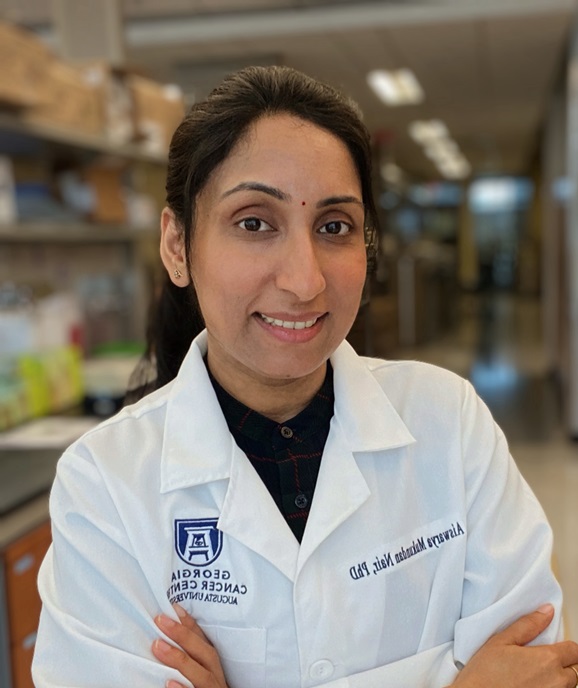
photo of Aiswarya Mukundan Nair, PhD

Aiswarya Mukundan Nair, PhD

  • Postdoctoral Fellow

amukundannair@augusta.edu

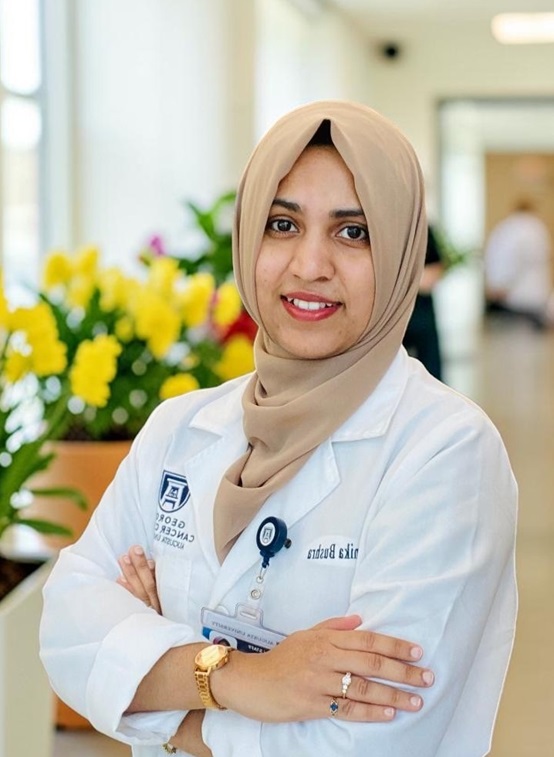
photo of Mst Anika Bushra, MS

Mst Anika Bushra, MS

  • Research Associate

mbushra@augusta.edu

Reduce the Burden

The Georgia Cancer Center at Augusta University is dedicated to reducing the burden of cancer in Georgia and across the globe through superior care, innovation, and education. Through unprecedented expansion, the Georgia Cancer Center is providing access to more first-in-the-nation clinical trials, world-renowned experts and life-saving options.

Education & Research

M. Bert Storey Research
706-721-0570
cancer@augusta.edu

Care & Treatment

Outpatient Services Clinic
706-721-6744
https://www.wellstar.org/


Follow the Georgia Cancer Center

 Our Faculty Facebook Our Faculty Instagram Our Faculty LinkedIn Our Faculty Twitter Our Faculty YouTube
University Shield

Augusta University

1120 15th Street, Augusta, GA 30912

  •   Campus Maps
  •   Campus Contacts
  • A-Z Directory
  • Degrees & Programs
  • Employment
  • Accessibility
  • Accreditation
  • Campus Safety
  • Compliance Hotline
  • Human Trafficking Notice
  • Privacy Notices
  • Title IX / Sexual Misconduct
Apply Now Give Now

© 2026 Augusta University

Augusta University Facebook Augusta University Twitter Augusta University LinkedIn Augusta University Youtube Augusta University Instagram
©