Lung cancer is the leading cause of cancer death and accounts for more than 25% of
all cancer deaths. Each year, more people die from lung cancer than breast, colon
and prostate cancer combined.
To help increase awareness about lung cancer's risk, prevention opportunities, and
treatment options, the Georgia Cancer Center partnered with MCG’s Oncology Interest
Group and the White Ribbon Project to raise awareness about lung cancer and support and celebrate survivors.
Those who attended previous White Ribbon Fall Fest events were able to participate
in a white ribbon build by painting a wooden ribbon.
They also enjoyed delicious food, entered to win prizes, spent time relaxing with
therapy dogs, enjoyed music by Jordan Deshon, and played lawn games.
There was also information and resources about a person’s risk of developing lung
cancer and strategies to lower that risk from a variety of vendors.
Check out the video for highlights from White Ribbon Fall Fest 2023.
Our goal at the Georgia Cancer Center is to balance exceptional outcomes with high
quality of life and optimum lung function. The Thoracic Multidisciplinary Team provides personalized care for every type and stage of lung cancer and other cancers
in the chest, including:
Lungs
Trachea
Chest wall
Pericardium
Pulmonary system
Mesothelioma
Thymomas
Thoracic New Oncology Workgroup (NOW) Clinic
The Georgia Cancer Center's Thoracic NOW Clinic, allows patients to be seen by four
different specialists during the same appointment. In addition, there are a number
of support services and social worker services available during the appointments to
make sure each need of our patient is taken care of without multiple visits to our
clinics.
Lung Cancer Online Resources
November is Lung Cancer Awareness Month. Lung cancer is the second most common cancer.
In 2022, it is estimated there will be 236,740 new cases in the U.S.
Lung cancer is the leading cause of cancer death and accounts for more than 25% of all cancer deaths. Each year, more people die from lung cancer than breast, colon,
and prostate cancer combined.
Despite this, there is a stigma around lung cancer that does not exist for other cancers.
The stigma that smoking causes lung cancer negatively impacts every part of the lung
cancer experience from awareness to research funding to support towards patients.
This has real consequences for lung cancer survivorship.
While 90% of lung cancers in the U.S. are associated with smoking tobacco, lung cancer
can affect anyone with lungs. About 10-20% of lung cancers occur in people who never
smoked. Many of these people were exposed to secondhand smoke through their parents,
spouse, or workplace. There is an increasing trend of lung cancer in “never smokers"
with 20% of people who die of lung cancer in the U.S. never having smoked or used
tobacco (ACS 10.14.20).
Even for people whose lung cancer is attributed to current or past tobacco use, smoking
for many is not simply a habit, but a powerful addiction that is tough to break without
help. The tobacco industry knows this, which is why they maintain addicting levels
of nicotine in their cancer-causing products and spend billions of dollars marketing
them. The industry fuels stigma around lung cancer by deftly shifting criticism and
responsibility away from their corporations and onto customers with “freedom of choice”
rhetoric.
Ultimately, it does not matter what caused a person’s lung cancer. At the Georgia
Cancer Center, we believe everyone deserves to receive compassionate care and support
through their cancer experience.
Lung Cancer Risk Assessment
Get the facts about lung cancer and how you can assess your risk for developing this
form of cancer during your lifetime.
The "Lung Cancer: Breathe Easier by Reducing Your Risk" slide deck features 32 slides
about the two main types of lung cancer, stages, how common the disease is, risk factors,
and resources for getting information or to learn more about lung cancer.
The NCI-sponsored National Lung Screening Trial recently confirmed that screening
individuals at high risk for lung cancer with an annual low-dose CT (LDCT) of the
chest saves lives.
We offer an integrative approach to help tobacco users quit successfully. This includes
cigarette, cigar, and hookah smokers, electronic-cigarette users, and spit tobacco
users.
The Georgia Tobacco Quit Line (GTQL) is a FREE evidence-based public health service
available to help Georgians quit smoking, vaping, and stop using all forms of tobacco
products.
AUGUSTA, Ga. (WRDW/WAGT) - Augusta University is spreading awareness about lung cancer
with a ‘White Ribbon Fall Festival.’
Organizers say lung cancer is one of the deadliest forms of the disease. The event
featured a panel discussion and patients discussing their battles with the condition.
“We try and commemorate families, friends, and colleagues who we have lost to this
disease. At the same time, trying to strengthen our resolve to fight it for all the
patients we have. We always try to send the message to expand screening coverage,
to try and work with our community leaders on the cessation of smoking, which is the
main cause of lung cancer in this day and age,” said Georgia Cancer Center Oncologist
Giri Raval.
Health experts say lung cancer is largely preventable because of how many lives can
be saved when people quit smoking.
Date: November 03, 2022 | BY LIZ WRIGHTThe Augusta Press
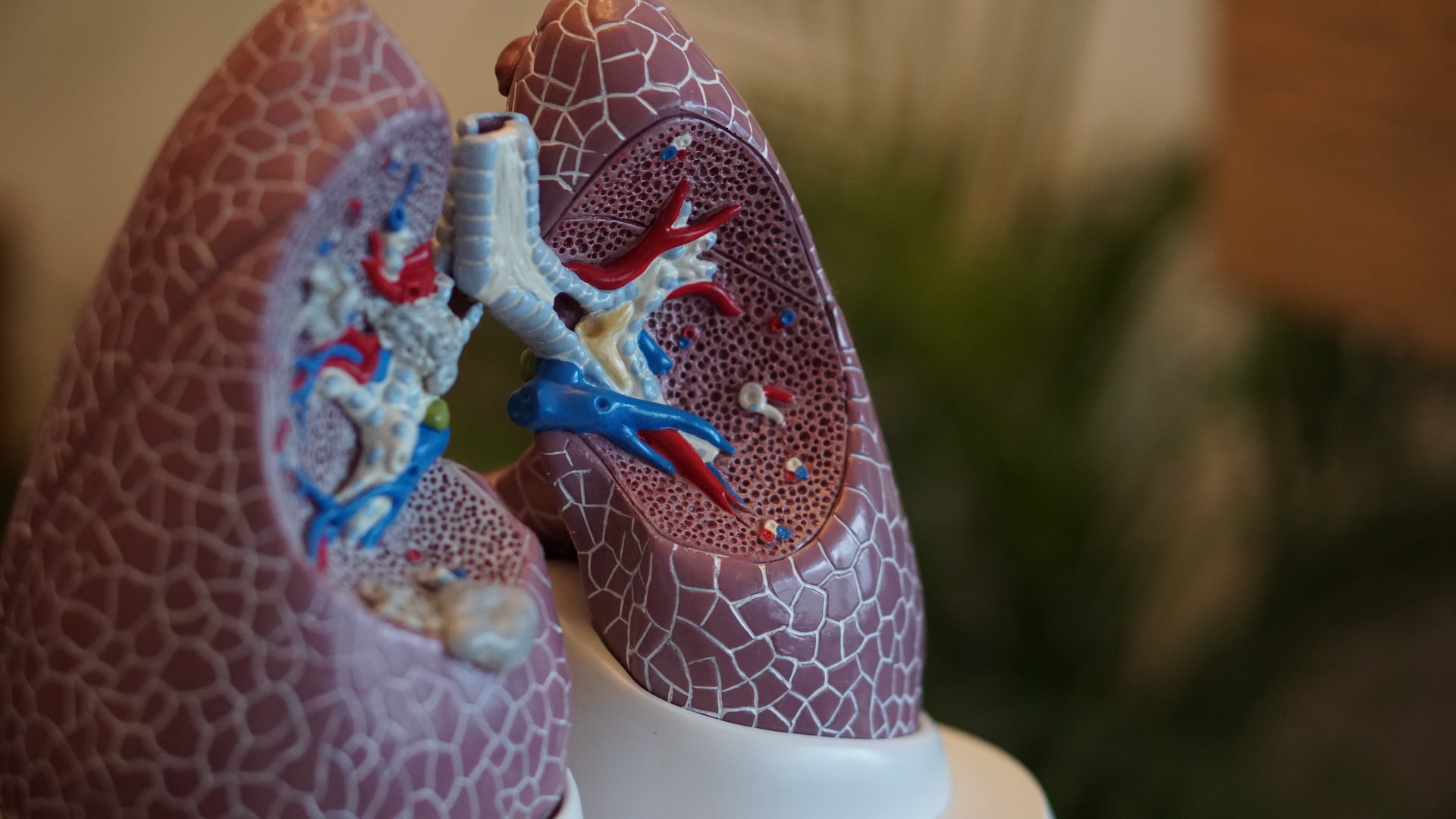
A ventilator hooked up to two pairs of side-by-side pig lungs showed the vast contrast
between a healthy pink lung and unhealthy blackened, tumor-ladened one.
“Everybody says ‘don’t smoke, don’t smoke, don’t smoke,’ but you never really see
[the effects] of why,” said Elaine Kise, an Augusta University respiratory therapy
student who took part in the white ribbon event for lung cancer awareness Wednesday
at the Health Sciences campus. “You shouldn’t put anything into your lungs because
it irritates your airways.”
The White Ribbon Fall Fest featured tables with large wooden ribbons painted white
as well as tables with information about lung cancer and the risks of smoking.
White Ribbon Fall Fest takes place on Nov. 1, 2026
Lung Cancer News
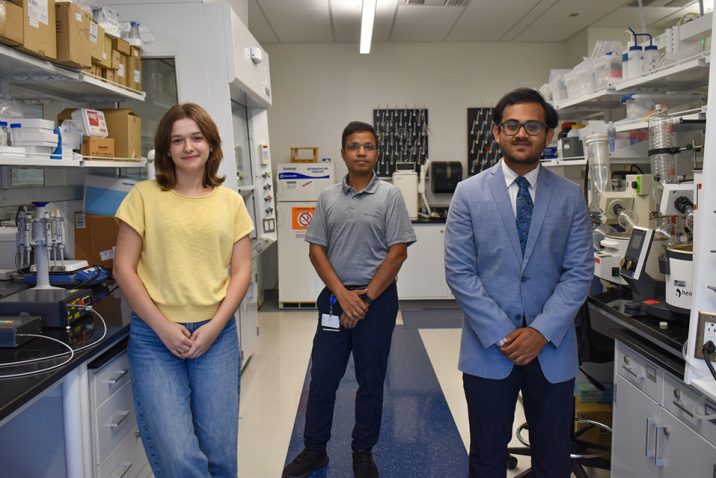
AU undergraduate research team selected for national advocacy program
The Council on Undergraduate Research brings together undergraduate researchers and faculty mentors to develop skills in communicating the societal value of research.
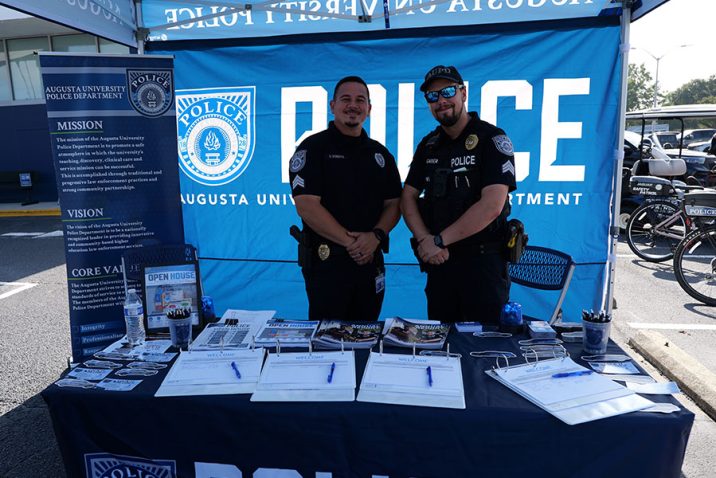
Open house showcases enhanced campus safety measures for AU Police Department
AU Police Department invited the community to see first-hand the impact of a multi-million dollar grant toward campus safety measures at a recent open house event.
Delta Chi members earn national NIC Awards of Distinction
"We're putting Augusta University on the map at a national level. It's something that's been well deserved, and I think we deserve the recognition that we're getting here at AU," says Roberto Aragon.
The Georgia Cancer Center at Augusta University is dedicated to reducing the burden
of cancer in Georgia and across the globe through superior care, innovation, and education.
Through unprecedented expansion, the Georgia Cancer Center is providing access to
more first-in-the-nation clinical trials, world-renowned experts and life-saving options.