The Macias Lab

Everardo Macias, PhD
Associate Professor
Medical College of Georgia
Augusta University
Jump to: Research SummaryResearch FocusPublications Team
Contact Us
The Everardo Macias Lab
Health Sciences Campus
GCC - M. Bert Storey Research Building
1410 Laney Walker Blvd., CN-3206F-K
(706) 721-4286
Research Summary
Our research program focuses on uncovering the molecular mechanisms that drive therapeutic resistance, lineage plasticity, and treatment‑related toxicities in cancer, with the goal of developing targeted, mechanism‑based interventions that improve patient outcomes.
We integrate human cancer genomics, functional genomic loss‑of‑function screens, and preclinical in vitro and in vivo models to identify, prioritize, and validate high‑value therapeutic targets across various cancer types with a focus on prostate and breast cancer. Across all projects, our group is steadily expanding drug discovery and lead optimization capabilities through collaborations with medicinal chemists and structural biologists to enhance target engagement, potency, and drug‑like properties. Complementing these translational efforts, we conduct deep mechanistic studies including live‑cell imaging, genetic gain‑ and loss‑of‑function approaches, and multi‑omic analyses to define the pathways and cellular programs controlled by each target.
Together, these integrated efforts aim to deliver actionable therapeutic strategies, identify biomarkers of disease evolution, and accelerate the translation of new treatments for patients with aggressive cancers and treatment‑related toxicities.
Research Focus
Project 1 - Defining the role of TTK in neuroendocrine prostate cancer - 1R01CA299939
Through integrative transcriptomic, proteomic, and functional studies, we have identified Tyrosine Threonine Kinase (TTK/Mps1) as a potent and tractable molecular vulnerability in NEPC. TTK is a dual‑specificity kinase essential for mitosis and spindle assembly checkpoint fidelity. While absent in normal tissues, TTK is markedly upregulated in transformed cells and increases progressively across prostate cancer progression, reaching its highest expression in NEPC tumors, cell lines, and patient‑derived xenografts.
Genetic and pharmacologic inhibition of TTK suppresses NEPC growth in vitro and in vivo, supporting its candidacy as a therapeutic target. Ongoing work in the lab aims to:
- Define TTK signaling mechanisms using high‑resolution phospho‑proteomics, which has highlighted RABL6 as a prioritized TTK substrate in NEPC.
- Evaluate TTK dependency in vivo using NEPC cell line xenografts, patient‑derived xenografts, and syngeneic models.
- Test translational therapeutic strategies, including clinical‑grade TTK inhibitors and emerging TTK‑directed PROTAC degraders.
- Assess combination therapies pairing TTK inhibition with first‑line platinum‑based chemotherapy, coupled with transcriptomic and immune‑profiling analyses to identify biomarkers of response.
These studies aim to establish TTK as a clinically actionable target capable of reducing NEPC tumor burden and improving patient outcomes.
Project 2 - Targeting NUAK2-Driven RNA Splicing and Lineage Plasticity in Aggressive Prostate Cancer
Aggressive prostate cancers, particularly neuroendocrine prostate cancer (NEPC) and other AR-indifferent states, are characterized by profound lineage plasticity, therapeutic refractoriness, and widespread transcriptional reprogramming. Our laboratory is focused on defining how the serine/threonine kinase NUAK2 contributes to these aggressive disease states through regulation of RNA splicing, cellular plasticity, and oncogenic signaling pathways. Through integrative phosphoproteomics, proximity-labeling interactome studies, and functional genomic analyses, we have identified a previously unrecognized role for NUAK2 in spliceosome and RNA-processing networks. In parallel, our drug repurposing and kinome-profiling studies identified the clinically approved CDK4/6 inhibitors trilaciclib and lerociclib as candidate NUAK2-targeting compounds, providing a translational framework for therapeutic development. Our work integrates mechanistic biology with preclinical therapeutic studies to develop novel treatment strategies for aggressive prostate cancer. This work is supported by the Department of Defense (DoD), Grant No: HT9425-25-1-0622 and the V Foundation for Cancer Research
Project 3 - STK3 as a Dual‑Benefit Target in Cardio‑Oncology
Frontline breast cancer therapies such as doxorubicin and trastuzumab have dramatically improved survival, yet their long‑term cardiotoxic effects remain a major cause of morbidity and mortality. Chemotherapy‑induced cardiac dysfunction can emerge during treatment or years later, and despite advances in risk prediction, no effective strategies exist to prevent this toxicity. This unmet need limits survivorship and constrains the use of otherwise life‑saving cancer therapies.
Our research identifies Serine/Threonine Kinase 3 (STK3/MST2) as a unique therapeutic target capable of protecting the heart while simultaneously suppressing breast cancer progression. Within the Hippo pathway, STK3 regulates cell growth through YAP/TAZ inhibition. We find that STK3 inhibition promotes cardiomyocyte proliferation, preserves function in engineered human cardiac tissues exposed to doxorubicin, and restores YAP activity, a known cardioprotective mechanism.
Unexpectedly, STK3 also plays a noncanonical pro‑tumorigenic role in breast cancer. STK3 is amplified in patient tumors, correlates with poor outcomes, and enhances cancer cell proliferation and invasion. Using newly developed narrow‑spectrum STK3 inhibitors, we show that targeting STK3 not only impairs tumor growth but also augments doxorubicin’s anticancer efficacy.
Our ongoing work aims to:
- Test STK3 inhibition as a cardioprotective strategy using 3D human cardiac tissues and mouse models of acute and chronic cardiotoxicity.
- Define the therapeutic relevance of STK3 in breast cancer through multi‑omic profiling, patient‑derived explants, and in vivo treatment studies.
- Establish whether dual targeting of STK3 can both prevent cardiac injury and suppress tumor progression, creating a new paradigm in cardio‑oncology.
Recent Publications
Schirmer, A.U., Driver, L.M., Zhao, M.T., Wells, C.I., Pickett, J.E., O’Bryne, S.N., Eduful, B.J., Yang, X., Howard, L., You, S., Devi, G.R., DiGiovanni, J., Freedland, S.J., Chi, JT., Drewry, D.H., Macias, E. Non-canonical role of Hippo tumor suppressor serine/threonine kinase 3 STK3 in prostate cancer. Molecular Therapy August 2021
Fu, W., Zhao, M.T., Driver, L.M., Schirmer, A.U., Yin, Q., You, S., Freedland, S.J., DiGiovanni, J., Drewry, D.H., Macias, E. NUAK Family Kinase 2 is a novel therapeutic target for prostate cancer. Molecular Carcinogenesis. October 2021
Nam J, Schirmer AU, Loh C, Drewry DH, Macias E. Targeting the Divergent Roles of STK3 Inhibits Breast Cancer Cell Growth and Opposes Doxorubicin-Induced Cardiotoxicity In Vitro. Cancers (Basel). 2023 May 18
Mehraj U, Maimekov U, Manzoor S, Cordova E, Patel M, Mancera-Ortiz IY, Howell S, Davis-Gilbert ZW, Wang ME, Chen M, Park JW, Wang Y, Armstrong AJ, Huang J, Drewry DH, Mitrofanova A, Macias E. NUAK2 is a therapeutically tractable regulator of RNA splicing and tumor progression in neuroendocrine prostate cancer. bioRxiv [Preprint]. 2025 Nov
Schirmer AU, Mehraj U, Nam J, Drewry DH, Lee YJ, You S, Dezem F, Plummer J, Chi JT, Huang J, Macias E. Non‑Canonical STK3 Signaling Supports Prostate Cancer Growth by Suppressing Ferroptosis Through CDK9 and BRD4. Molecular Carcinogenesis. Accepted April 2026
Mehraj U, Maimekov U, Huang J, Armstrong AJ, Mitrofanova A, Macias E. Mitotic checkpoint activation drives TTK-RABL6 dependency in AR-indifferent prostate cancer. Under review Journal of Clinical Investigation.
Research Team
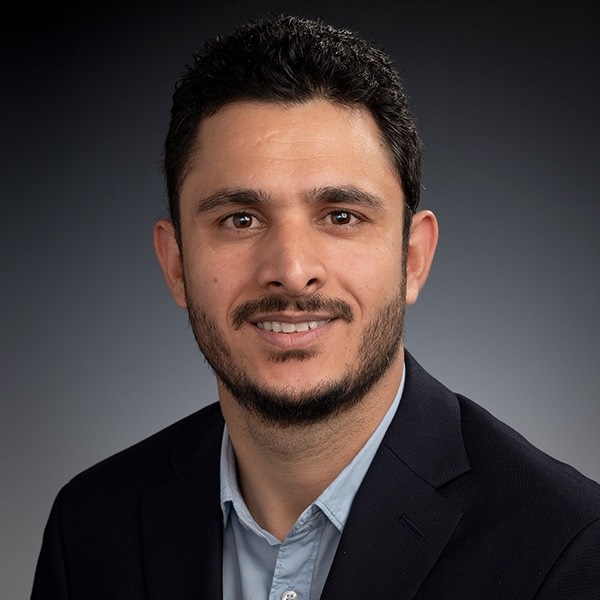
Umar Mehraj, PhD
- Assistant Research Scientist

Nidula Mullappilly, PhD
- Postdoctoral Fellow

Tingzeng Wang, PhD
- Postdoctoral Fellow
Priya Gorai, PhD
- Postdoctoral Fellow
Aadil Yousuf, PhD
- Postdoctoral Fellow