Project 3
Mitochondrial dynamics protein Drp1 regulation of endothelial metabolism, ROS, & ischemic vascular disease
The overall goal of Project 3 is to investigate a novel relationship between ROS (redox) signaling and endothelial glycolysis that is orchestrated by the mitochondrial dynamics protein, Drp1. Drp1 functions as a novel redox sensor that transmits VEGF-derived H2O2 signaling into glycolysis enhancing phenotypes in endothelial cells (ECs) to enhance angiogenesis.
Overall Goal:
Excess ROS induced by cardiovascular risk factors such as diabetes can impair the balance between redox signaling and metabolism, resulting in endothelial dysfunction (e.g. impaired angiogenesis), which contributes to vascular disease, such as peripheral artery disease (PAD). Preliminary data support the hypothesis that VEGF/NOXderived H2O2 stimulates Cys oxidation of Drp1 to promote mitochondrial fission and mitoROS, which drives glycolysis and endothelial activation (e.g. angiogenesis) by oxidative activation of AMPK as well as increased PFKFB3 expression in ECs. By contrast, in disease conditions such as diabetes, this pathway is impaired due to excess PFKFB3/glycolysis-ROS axis that induces oxidative inactivation of VEGFR2, which limits VEGF-induced VEGFR2 signaling and angiogenesis.
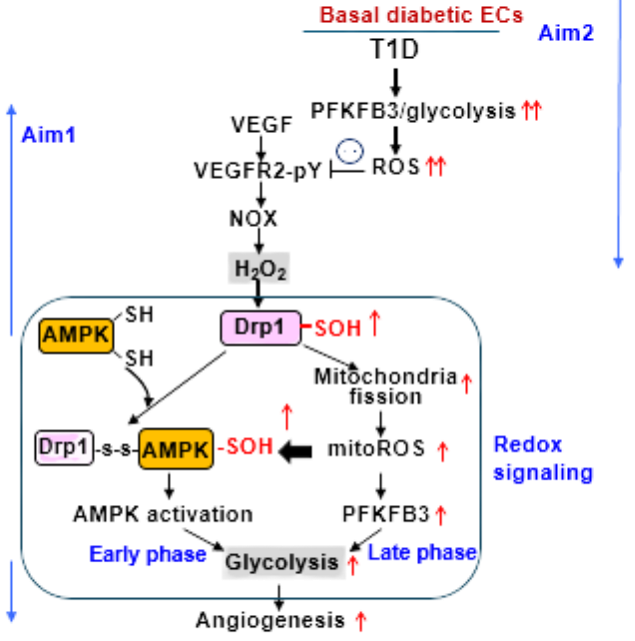
Endothelial Drp1 Cysteine Oxidation (Sulfenylation) Integrates VEGF redox signaling with glycolysis via Drp1-AMPK redox relay as well as mitoROS-PFKFB3 axis. Both pathways drive glycolysis and reparative angiogenesis, which is impaired in diabetes that induces pathological oxidation of VEGFR2.
Lead Bio
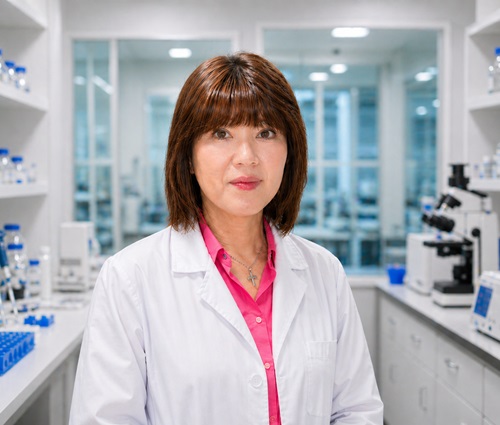
Dr. Masuko Ushio-Fukai is a George G. Weiss Endowed Professor, Professor of Medicine & Director of the Redox Signaling Program in the VBC at MCG/AU. She is a leading expert in ROS metabolism and redox signaling focusing on the crosstalk between NADPH oxidases (NOX) and mitochondria, redox signaling as well as ROS sensors/targets involved in angiogenesis and peripheral arterial disease (PAD) over the past twenty years. Her laboratory has significant experience in measurements of cytosolic and mitochondrial ROS and cystine oxidation (S-Sulfenylation) and is one of the first to demonstrate that H2O2 derived from NOX plays an essential role in driving reparative neovascularization using animal models of PAD. In collaboration with Dr. Tohru Fukai (Project 1 leader), she has been investigating the role of Cu transport proteins in vascular diseases and has discovered a novel link between Cu transport proteins and ROS signaling that contributes to inflammation and angiogenesis. Thus, she has extensive expertise in the area of ROS/redox imbalance, endothelial metabolism and angiogenesis in physiological and pathological conditions (diabetes), which is essential for Project 3. As leader of Project 3, Dr. Ushio-Fukai will demonstrate mitochondrial dynamics protein Drp1 orchestrates the interplay between NOX, mitochondrial redox signaling and endothelial glycolysis via S-sulfenylation to enhance angiogenesis. This is impaired in diabetes due to excess glycolysis-ROS axis that induces pathological cysteine oxidation. Dr. Ushio-Fukai will serve as PPG Co-Director, Project 3 leader, & Co-I of Core A & Core C.
Project 3 Team
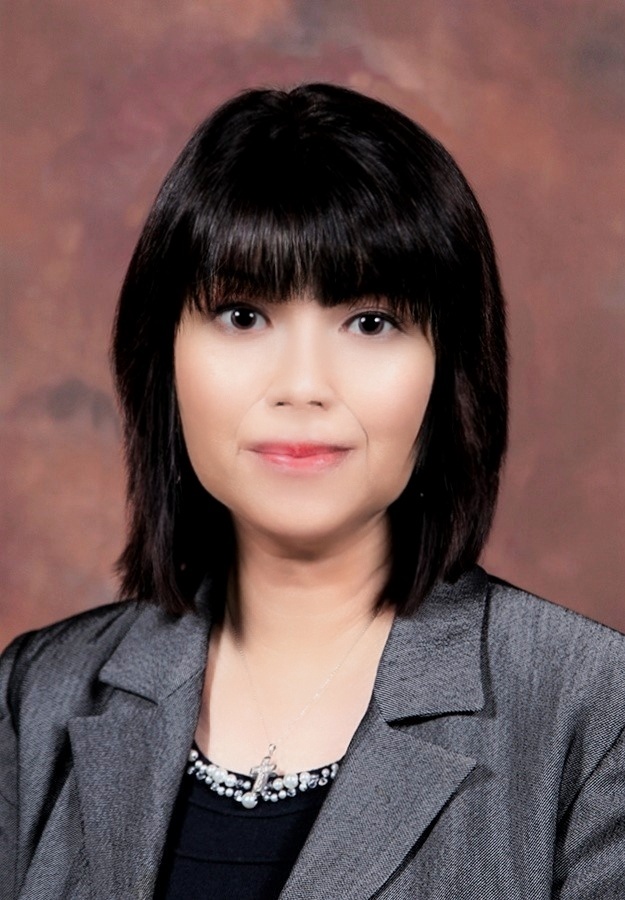
Dr. Masuko Ushio-Fukai
- Project Lead
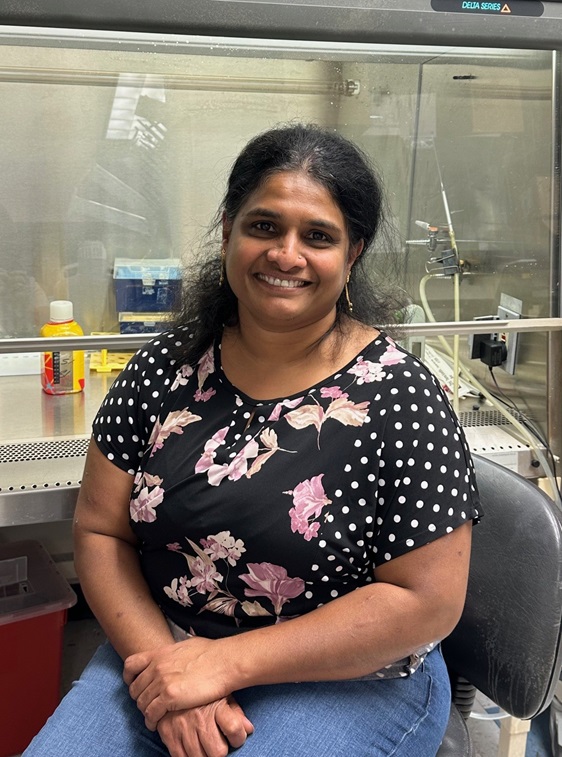
Rajalakshmi Karmegam
- Sr Research Associate
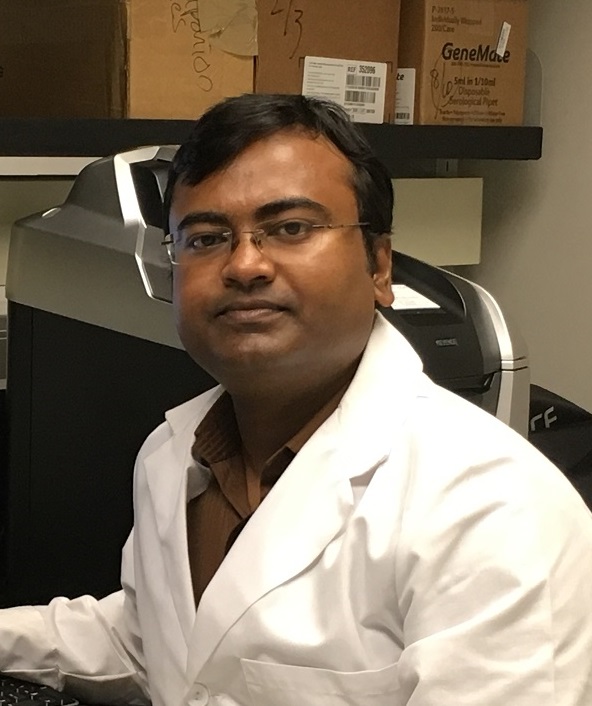
Dipankar Ash
- Assistant Research Scientist
Sheela Nagarkoti
- Postdoc Fellow
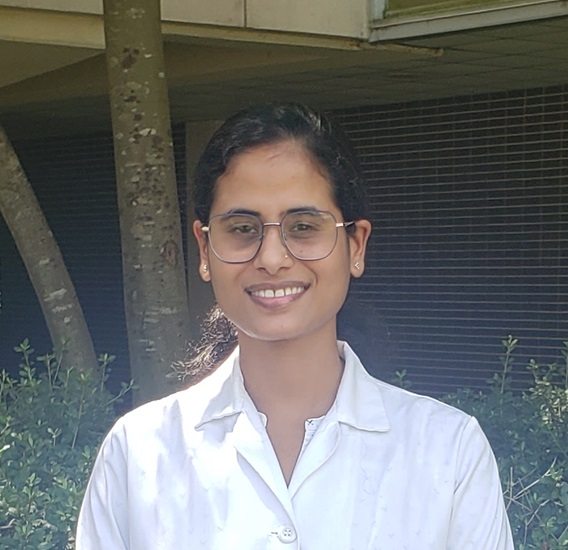
Shikha Yadav
- Postdoc Fellow
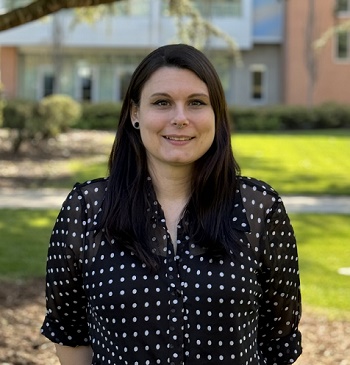
Stephanie Spears
- Sr Research Associate
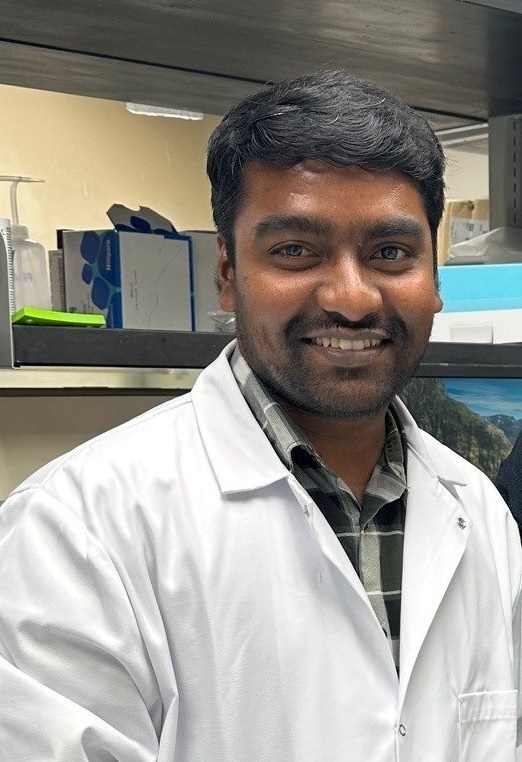
Kamarajan Rajagopal
- Postdoc Fellow
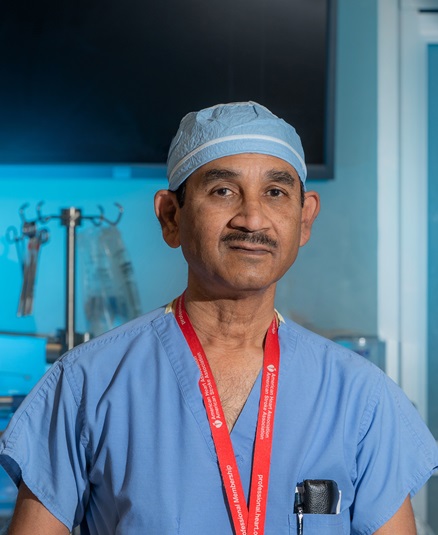
Vijay Patel
- Consultant