
Pawel Kozak
Senior Lecturer
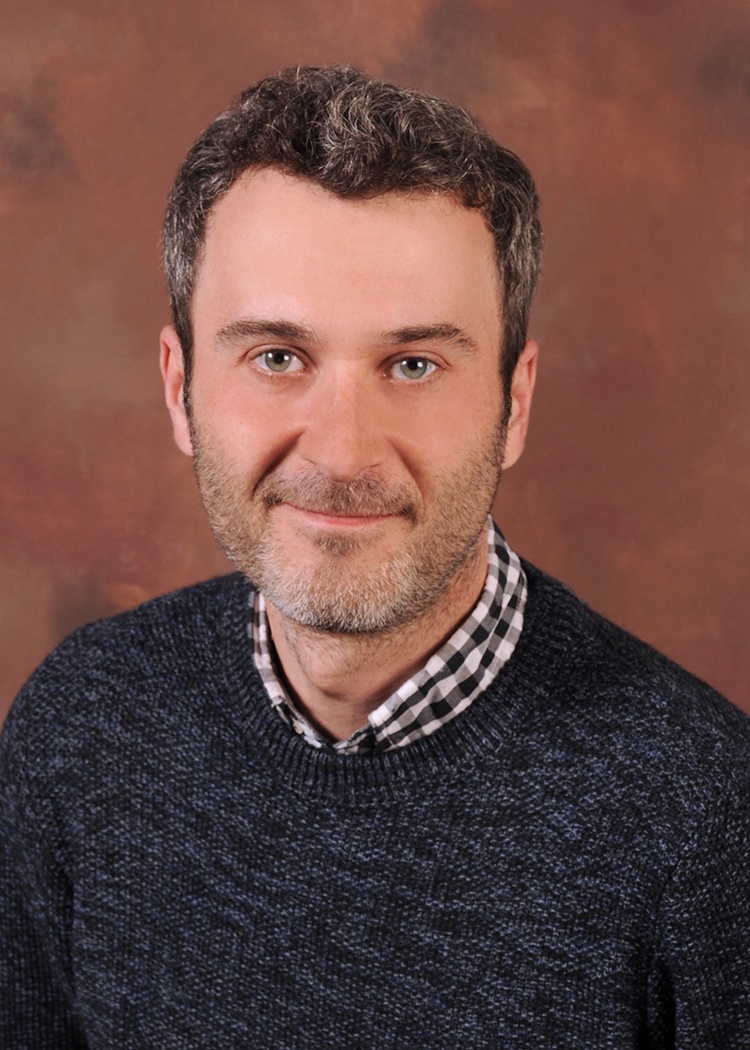
Pawel Kozak
Senior Lecturer
Academic Appointment(s)
Pamplin College of Arts, Humanities, and Social Sciences
Department of Music
Bio
Polish-born violinist and winner of the 1998 Southwest Young Artist Competition in Las Cruces, New Mexico, Pawel Kozak is a dedicated performer and educator currently serving as Senior Lecturer in Music at Augusta University. At AU, he directs the University Orchestra and teaches courses in music literature and music theory, mentoring the next generation of musicians with both artistic rigor and intellectual depth.
In addition to maintaining a full teaching schedule, Kozak sustains an active performance career. He appears regularly in solo and chamber recitals, serves as Principal Second Violin with the Augusta Symphony, and performs as a member of the Lyra Vivace Chamber Orchestra.
- PAKOZAK@augusta.edu
- FAC A116
Education
-
DM, Music, General University of Georgia, 2011
-
MM, Music, General University of Georgia, 2005
-
BM, Music Performance, General Augusta State University, 2003
Awards & Honors
-
Pamplin Professional Impact Fund 2024
Courses Taught Most Recent Academic Year
-
MUSI 3630
AU Orchestra
-
MUSI 1101
Aural Skills I
-
MUSI 4360
Chamber Music Literature
-
MUSI 3340
Music History I
-
MUSI 2320
Rock n' Roll and Society
-
MUSI 1211
Theory I
-
MUSI 1102
Aural Skills II
-
MUSI 3350
Music History II
-
MUSI 1212
Theory II
Teaching Interests
In every class I teach - whether it’s applied viola, chamber music, freshmen music theory/ear training sequence, or a course in music literature – my primary goal is to equip music students with tools to “listen better.” This can mean different things depending on the situation. In applied viola lessons and chamber ensembles, "better" listening may mean increased participation and engagement, while in academic courses such as music history and theory, it may involve a more profound understanding of musical style and structure. Beyond the confines of the classroom, it could simply involve maintaining attentive silence.
As a violin and viola teacher I am particularly enthusiastic about working closely with students to develop practical performance and career skills necessary for modern string players. These include not only technical proficiency and musical sensitivity, but also versatility in a number of performance contexts, and knowledge of different styles, genres, and their historical backgrounds. In line with the different performance skills required nowadays of professional musicians, I encourage and help my students to seek out as many opportunities to collaborate in ensembles as possible. In particular, I believe that playing in string quartets and piano trios is an especially good venue for violinists and violists to develop skills of musical leadership, coordination, and the ability to negotiate creative decisions. To that end, I am keen on coaching student chamber groups, and introducing them to a wide range of repertoire from different historical periods.
While at AU I have implemented a teaching approach that creates a learning environment designed to support student collaboration, the so-called flipped classroom method. In my lecture-style classes, which have included the freshmen music theory/ear training sequence, courses in music history, rock n’ roll and society, and form and analysis, I avoid lecturing to a passive audience whenever possible, instead letting students prepare for each class in advance through reading and homework assignments, allocating time for group work, and encouraging them to consider the classroom as a safe space for dialogue and development of their ideas.
I believe that there is not a single, ideal way of teaching music. One must approach each student differently, considering not only the student’s level of proficiency, but also his or her physical and mental abilities, and sensitivity. From this perspective, I am also keenly attentive to the fact that not every student will go on to become a professional musician, which is why my philosophy emphasizes teaching skills –– such as leadership, discipline, accountability, and collaboration –– that have a wide applicability in life.
Scholarship
Selected Recent Publications
- Faculty recital, 2025
Music Performance - Full Solo Recital - Faculty recital, 2024
Music Performance - Full Solo Recital - Violin recital, 2024
Music Performance - Full Solo Recital - Faculty recital, 2023
Music Performance - Full Solo Recital - Principal second violin, 2017
Music Performance - Symphony Orchestra Member, Principal
Research Interests
Performance-based research in violin and orchestral repertoire.
Historically informed performance practice.
Interpretive traditions of 18th–20th century violin literature.
Orchestral string pedagogy.
Violin and viola technique.